How to Make Fluffy White Rice on the Stove or in a Rice Cooker
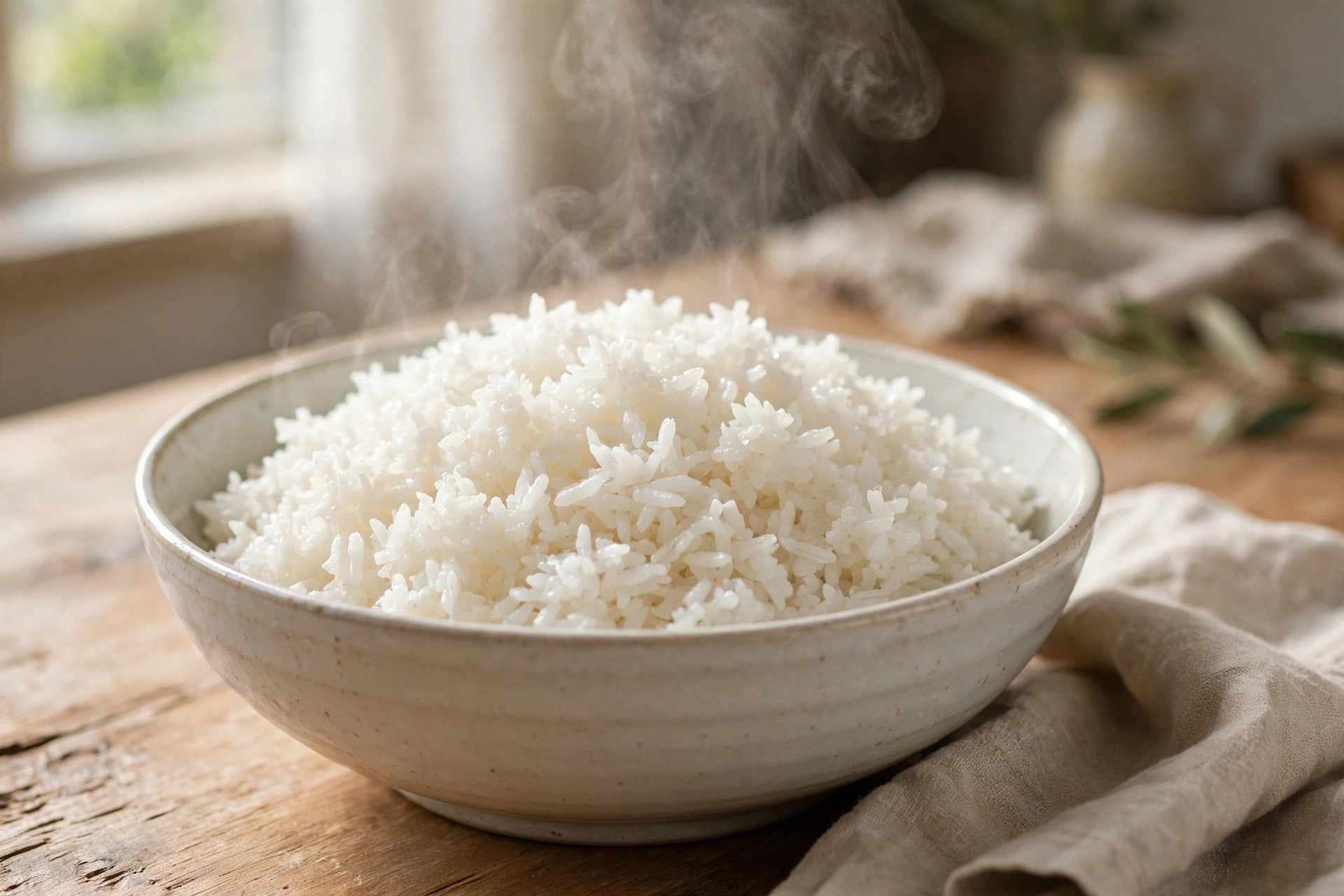
There is something deeply comforting about a bowl of perfectly cooked rice. Each grain is tender and separate, lightly steaming, and ready to soak up whatever you serve with it. When rice turns out right, it quietly makes the whole meal better. When it turns out wrong, sticky, crunchy, or watery, everyone at the table notices.
The good news is that perfect rice is not about talent or luck. It comes down to three things: the right ratio of rice to water, steady gentle heat, and a little patience at the end. This guide walks you through the two most reliable ways to cook plain white rice at home: the classic stovetop method and the hands-off rice cooker method. By the end, you will know exactly how much water to use, when to lift the lid (almost never), and how to fix the most common mistakes.
Whether you are making rice as a simple side dish or as the base for a full dinner, these methods work the same way every time. Once you learn the rhythm, you will never need to look it up again.
The Main Rice Types and the Best Uses for Each
Not all rice behaves the same in the pot, and picking the right type for your meal makes a real difference. Here are the five kinds you will see most often in American grocery stores.
Long-grain white rice is the workhorse of the bunch. Its grains are about four to five times as long as they are wide, and they cook up fluffy and separate. This is the rice to reach for when you want a neutral base under stir fries, curries, chili, or anything with a sauce. Most of the method in this guide is written for long-grain white rice.
Jasmine rice comes from Thailand and has a soft floral scent that smells wonderful while it cooks. The grains are slightly sticky when done, which makes jasmine rice a natural partner for Thai and other Southeast Asian dishes. It clumps just enough that you can scoop it easily with a fork.
Basmati rice is famous for its extra-long, slender grains and delicate aroma. It is the classic choice for Indian and Middle Eastern meals, especially biryani-style dishes and pilafs. Basmati benefits from a good rinse and sometimes a short soak, and the grains stretch beautifully as they cook.
Brown rice is the whole-grain version of white rice, with the bran layer left on. That bran gives it a chewy bite and a nutty flavor, plus extra fiber. It needs more water and almost twice the cooking time of white rice, usually 40 to 45 minutes on the stove. Do not swap it one-for-one into a white rice recipe, or you will end up with crunchy grains.
Short-grain rice is plump and almost round, and it cooks up soft and sticky. That stickiness is a feature, not a flaw. It is the rice used for sushi and for creamy rice pudding. For everyday fluffy rice, though, stick with long-grain.
What You Need to Make Perfect White Rice
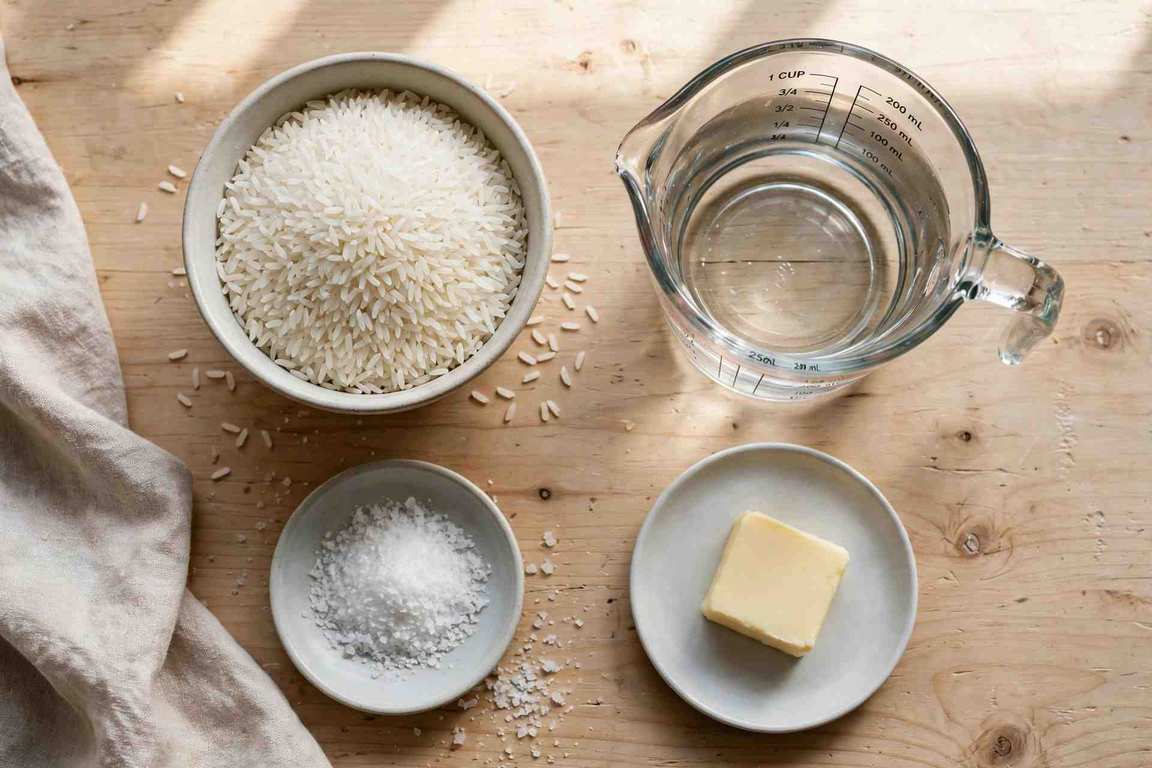
One of the best things about plain rice is how little it asks of you. You need rice, water, a pinch of salt, and a little fat. That is the whole list. But each one plays a role, so here is how to think about them.
Start with long-grain white rice. One cup of dry rice makes about three cups cooked, which feeds about four people as a side dish. If you are cooking for a crowd or planning leftovers, the recipe scales up easily, though you should keep the pot size in mind, which we will cover in the tips.
Water is where most rice mistakes begin. For long-grain white rice on the stove, the sweet spot is one cup of rice to one and three-quarter cups of water. Some bags suggest two cups of water per cup of rice, and that works too, but it can lean soft. Pick one ratio and stick with it until you know how your stove and your pot behave.
Salt will not make the rice taste salty. About half a teaspoon of fine salt per cup of dry rice simply wakes up the flavor of the grains. Add it to the water before cooking so it dissolves evenly.
A tablespoon of butter or a neutral oil like canola does two quiet jobs. It keeps the grains from sticking together, and it adds a subtle richness you will miss once you have tried it. You can skip this step, though it pays off when you do it.
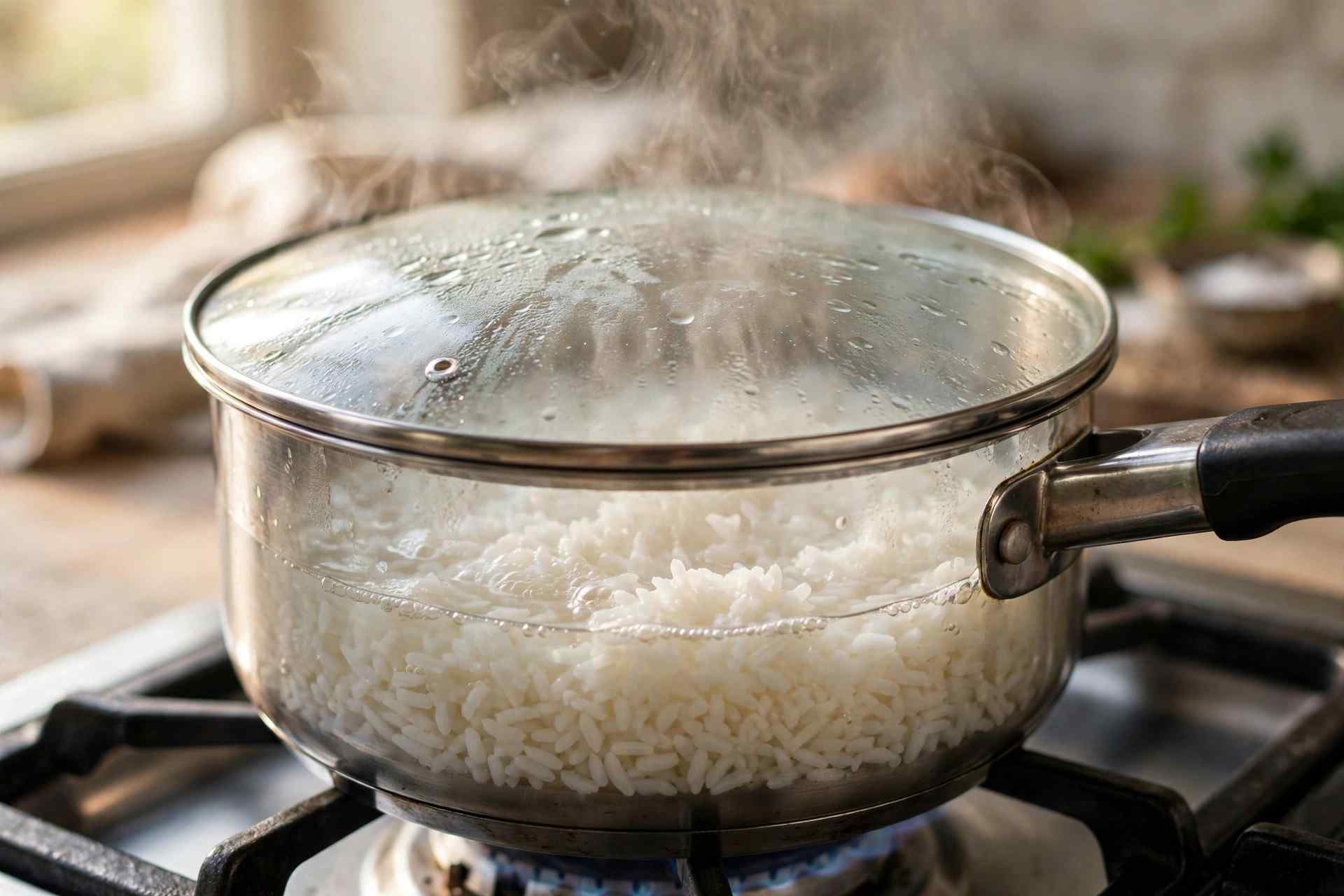
Beyond the food itself, you need a pot with a tight-fitting lid. Reach for a heavy saucepan, since its thick base evens out the heat and keeps the simmer gentle and steady. If the lid lets steam escape, you lose the very thing that cooks the rice. A glass lid is handy because you can peek without lifting it.
Stovetop Method for Perfect Rice
The stovetop method is the one every cook should learn first. It needs no special equipment, it takes about half an hour from start to finish, and once you have the rhythm down you can do it without thinking.
Start by rinsing the rice. Put the grains in the pot or a large bowl, pour in enough cold water to submerge them, and agitate everything with your hand. The water will turn cloudy. Drain off the cloudy water and swirl again two or three more times, until the water stays mostly clear. Rinsing washes away loose surface starch, and that starch is what makes rice gummy. Without a rinse, the rice turns out noticeably gummier and clumpier.
Drain the rice well, then add it back to the pot with your measured water, the salt, and the butter or oil. Stir once to mix everything, then place the pot over medium-high heat. Bring it to a full boil. You will see big bubbles breaking across the surface.
As soon as it boils, stir once more and drop the heat to low. Put the lid on and leave it alone. Most people find this step the toughest: keep the lid down and resist peeking. Every peek lets steam escape and drops the temperature, which leads to uneven cooking. Start a timer for 15 to 18 minutes, then step away from the stove.
When the timer sounds, take the pot off the heat and keep the lid closed. Give the rice ten full minutes of undisturbed rest, the lid staying put the whole time. During this rest, the last of the steam redistributes through the grains, and the texture evens out. Rice that is served straight off the heat is often wet on the bottom and firm on top. The rest fixes that.
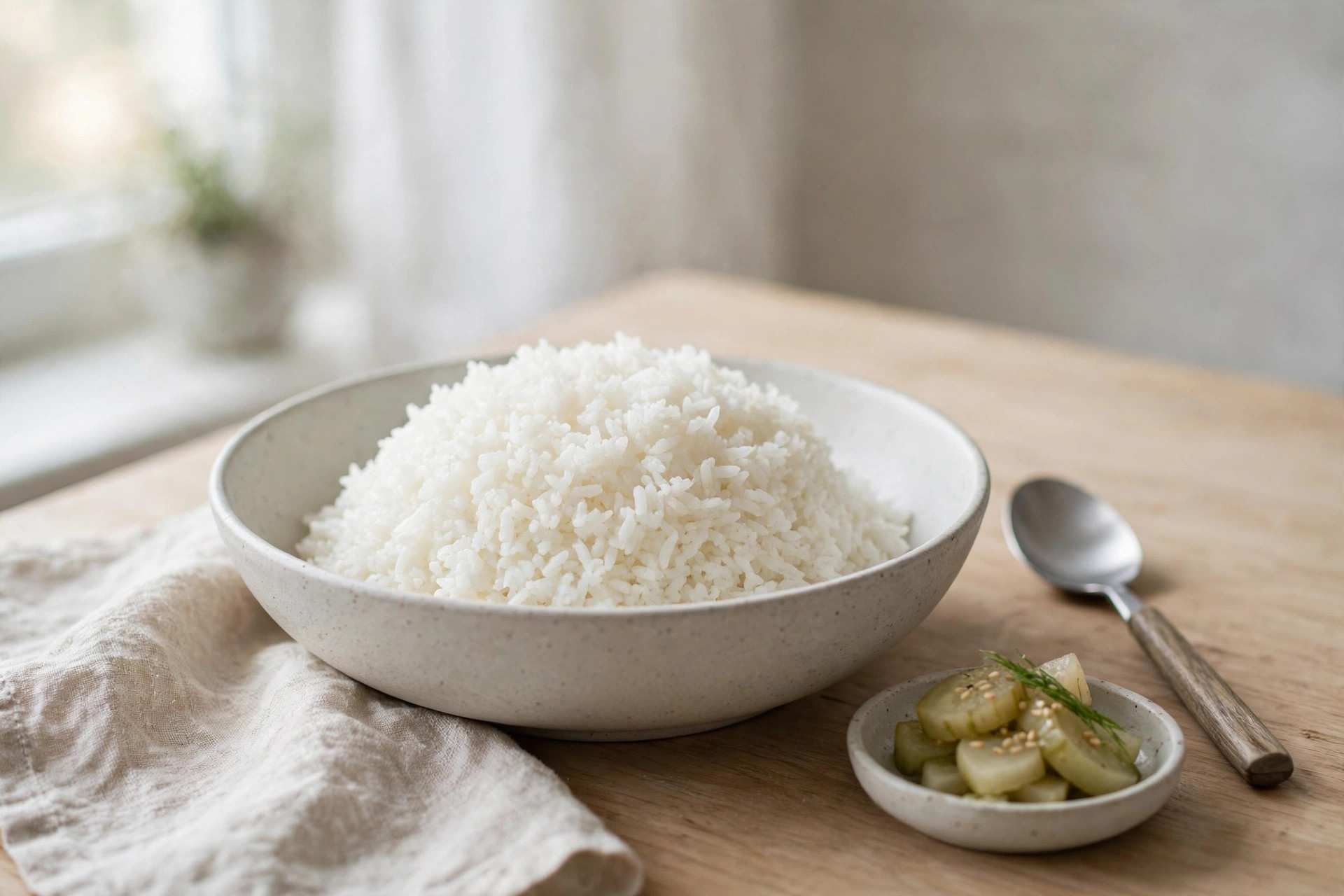
Finally, take the lid off and fluff the rice gently with a fork. Use a light hand and a folding motion rather than stirring, which can mash the grains. You should see separate, tender grains that hold their shape. Your rice is ready to serve.
Rice Cooker Method for Easy Rice
If you own a rice cooker, making rice gets even easier. The machine handles the heat and the timing for you, so the method is almost foolproof.
Wash the rice just as you would when cooking on the stove. Add the drained rice to the cooker pot, then pour in water at the same ratio — one and three-quarter cups of water per cup of long-grain white rice. Now mix in the salt, plus butter or oil if you are including them.
Close the lid and press the cook button. That is genuinely the whole job. The cooker will bring the water to a boil, then ease down to a simmer on its own, and it will flip to the warm setting when the rice is done. Most cookers take 20 to 25 minutes for white rice.
Do not skip the rest here either. Keep the rice on the warm setting with the lid shut for 10 minutes before opening the cooker. Then fluff with the paddle that came with your cooker, or a fork, and serve.
One small note: rice cooker markings for water lines vary by brand, and they are usually calibrated for the measuring cup that came in the box, which is a little smaller than a standard cup. If your rice ever comes out too wet or too dry, ignore the lines and measure with a real measuring cup using the one to one and three-quarter ratio. It is more reliable.
Tips for Fluffy Rice Every Time
Small habits separate good rice from great rice. Keep these in mind and your rice will come out right nearly every time.
Keep the lid on. It is worth saying again because it is the number one rule. Steam is doing the cooking, and an open lid is an open door. If your lid fits loosely, lay a clean kitchen towel between the pot and the lid to catch the steam. Just make sure the towel does not hang near the burner.
Do not stir the rice while it simmers. Agitating the pot releases starch and turns fluffy rice gummy and dense. One stir at the boil is enough.
Use a pot that is not too big. In an overly wide pot, water escapes too quickly, scorching the bottom while the top stays undercooked. A two-quart saucepan with a snug lid is the right size for one to two cups of dry rice.
If your rice comes out crunchy in the middle, it needed a few more minutes or a splash more water. Sprinkle two tablespoons of hot water over the top, cover, and cook on low for five more minutes. If it comes out mushy, spread it on a baking sheet for a few minutes to let the extra steam escape, and use a little less water next time.
Store leftovers safely. Cool the cooked rice quickly, within an hour, and get it into the fridge in a covered container. Refrigerate leftovers within two hours of cooking and use them within four days. When reheating leftover rice, keep warming until steam moves through the entire portion, then stop after a single reheat.
Read Also: Sweet potato casserole for cozy side dishes
Nutritional Values of Cooked White Rice
One cup of cooked white rice works in your diet mostly as fuel. A single cup has about 200 calories, almost no fat, around four grams of protein, and roughly 44 grams of carbohydrates. It also carries small amounts of B vitamins and minerals like magnesium, though white rice is not a major source of any single vitamin or mineral.
Because white rice is low in fiber, it digests quickly and can leave you hungry sooner than brown rice or whole grains would. Treat that as a simple fact to plan around rather than a flaw. Rice shines when it shares the plate. Pair it with a protein like chicken, beans, or fish, add a pile of vegetables, and you have a balanced meal where the rice does what it does best: carrying flavor and rounding things out.
If you are watching portions, remember that rice nearly triples in volume as it cooks. Measuring your dry rice before cooking is the easiest way to keep servings where you want them. One cup of dry rice gives you about three cups cooked, which is plenty for four side-dish servings.
Frequently Asked Questions About Cooking Rice
What water amount does one cup of white rice need? When cooking on the stove, use one and three-quarter cups of water for each cup of long-grain white rice. This ratio gives fluffy, separate grains. The classic one-to-two ratio also works but tends to come out a little softer. Measure both the rice and the water with real measuring cups instead of eyeballing it. Once you find the ratio that suits your stove and your pot, stick with it. Consistency matters more than chasing a perfect number from a bag.
Is rinsing rice before cooking rice necessary? Rinsing is optional, but it is worth the two minutes. Fill the pot with cold water over the dry rice and let it stand briefly, then pour the water off. Keep pouring in fresh water two or three times, swishing and draining, until the water comes away clear. A rinse washes off the loose starch coating the grains, which is what makes cooked rice turn gummy. Basmati and jasmine rice benefit most, since a rinse keeps their grains distinct and fluffy. Skip it when you want that starch, as in risotto or rice pudding, where creaminess comes from the starch itself.
Why does my rice always come out mushy? Mushy rice usually means too much water, too much heat, or too much stirring. Measure your water carefully, keep the simmer low and gentle, and stir only once before you cover the pot. Lifting the lid during cooking can also cause trouble, since the lost steam leads to uneven results. If a batch does turn mushy, spread it on a baking sheet for a few minutes so the extra moisture escapes, then use slightly less water next time.
How many days is cooked rice safe to keep in the fridge? Properly stored, cooked rice stays good in the refrigerator for up to four days. Cool it within an hour of cooking, transfer it to a covered container, and refrigerate it within two hours. Do not keep cooked rice on the counter for long, since warm rice invites bacterial growth. Warm leftovers until they are steaming completely through, and only heat the rice a single time. Discard it if it smells strange or feels slimy.
Is a rice cooker necessary for perfect rice? Absolutely. The stovetop method in this guide needs nothing more than a saucepan with a tight lid, and it gives results just as good as any machine. Rice cookers are convenient because they manage the heat and timing for you, but they are not required. Plenty of great cooks have never owned one. Learn the stovetop method first, since it teaches you what properly cooked rice should look and feel like at each stage.
What is the 10 minute rest for, and can I skip it? The rest lets the last of the steam settle evenly through the pot, so the grains finish cooking gently and the texture evens out from top to bottom. Rice served straight off the heat often has a wet layer at the bottom and firmer grains on top. Ten minutes with the lid on and the heat off fixes that. Do not skip it. It is the easiest step in the whole process, and it makes a noticeable difference in the final bowl.
Conclusion
Cooking great rice is a skill you will use for the rest of your life, and it is simpler than it looks. Measure your rice and water, rinse the grains, bring the pot to a boil, then let low heat and a closed lid do the work. Give it that final 10 minute rest, fluff it with a fork, and you will have a bowl of rice worth building dinner around.
When the basic method feels second nature, try cooking jasmine or basmati rice to explore different flavors and textures. The core principles stay the same: measure the water-to-grain ratio right, hold a steady heat, and be patient. And remember the safety basics that keep leftovers enjoyable: cool cooked rice within an hour, refrigerate it within two hours, use it within four days, and reheat it until steaming.
Rice may be humble, but a perfect pot of it never goes unnoticed at the table.
Read Also: Smart kitchen organization ideas for small spaces
Perfect White Rice (Stovetop and Rice Cooker)
Ingredients
Method
- Rinse the rice in cold water 2 to 3 times until the water runs mostly clear, then drain well.
- Add the rice, water, salt, and butter to a medium saucepan with a tight-fitting lid. Stir once to combine.
- Bring to a full boil over medium-high heat.
- Stir once, reduce the heat to low, and cover with the lid. Simmer for 15 to 18 minutes without lifting the lid.
- Remove from the heat and let the rice rest, covered, for 10 minutes.
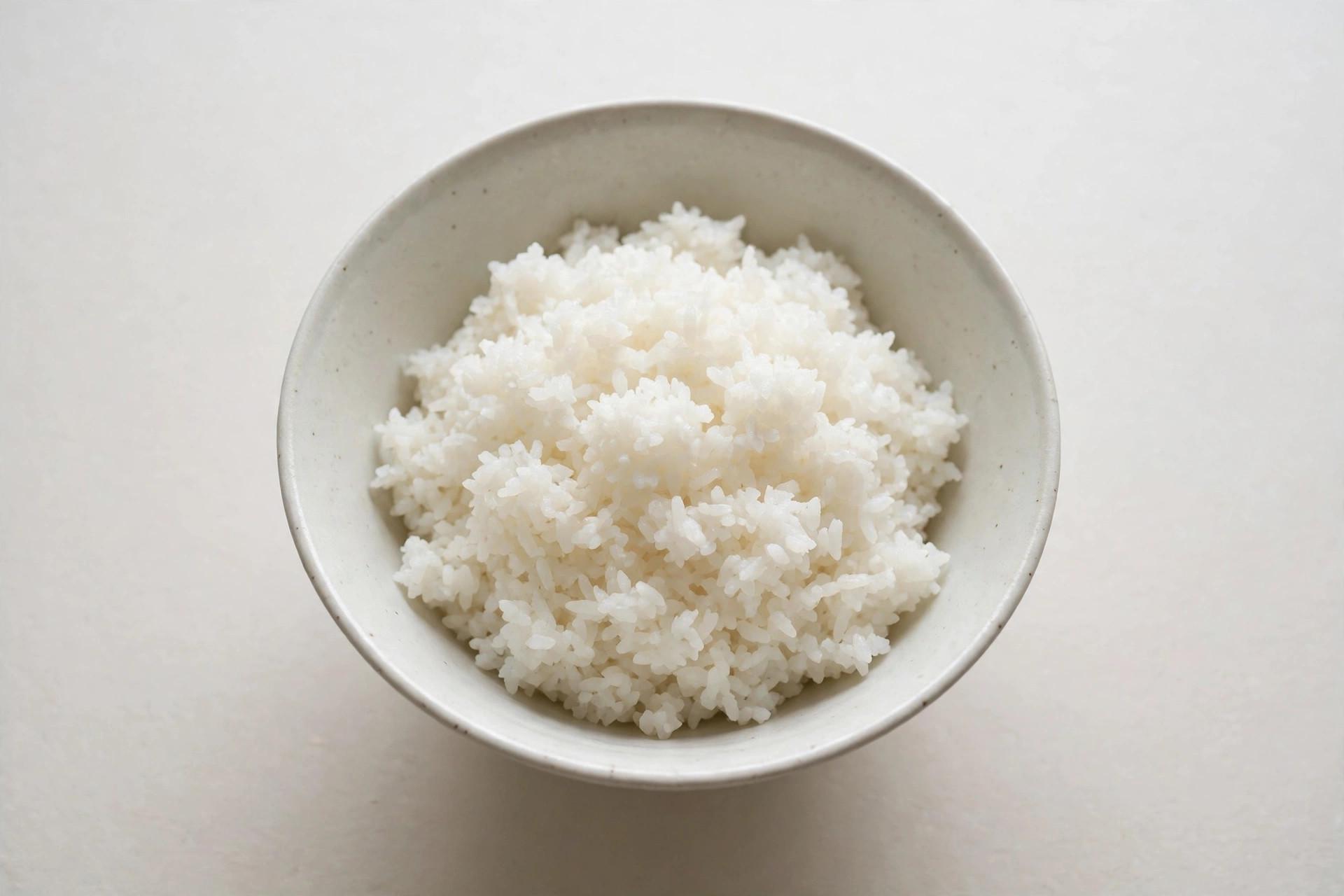
- Fluff gently with a fork and serve. The grains should be tender and separate, with all the water absorbed.