Classic Homemade Banana Pudding
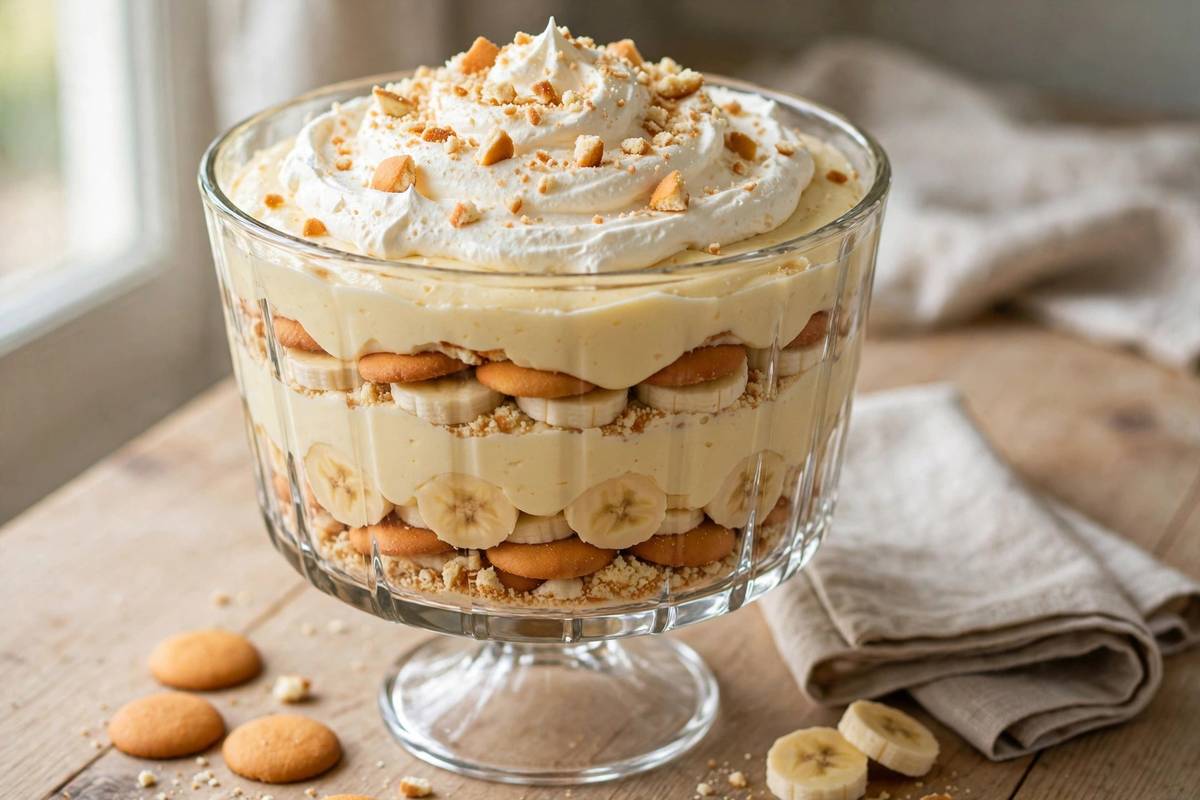
There are desserts you eat, and then there are desserts that bring the whole table to a happy hush. Banana pudding belongs in that second group. With its soft vanilla wafers, sweet sliced bananas, and clouds of creamy pudding, it is the kind of treat that disappears from the dish long before the rest of dinner is cleared.
Part of the charm of banana pudding is how easy it is to pull together. You will not need an oven, you will not face any hard steps, and you will not hunt down rare ingredients. You simply layer, chill, and serve, and the refrigerator does most of the real work while you get on with your day.
Whether you are making it for a family cookout, a holiday table, or a quiet weekend craving, this classic banana pudding recipe delivers that cool, creamy comfort every single time. Let us walk through where it came from, what goes into it, and how to get every layer just right.
Where Banana Pudding Comes From
Though banana pudding ranks among the most famous sweets of the American South, its roots trace back to merchant vessels rather than Southern home kitchens. Bananas were once a rare and expensive curiosity in the United States. Things shifted near the end of the 1800s, as quicker vessels and improved shipping lanes began carrying huge loads of bananas to American harbors. Suddenly, a fruit that had been a luxury became affordable for ordinary families.
When the 1900s began, bananas had reached markets everywhere in the country, and home bakers began trying them out in sweet dishes. Cooks already loved layered sweets inspired by the English trifle, where cake, fruit, and custard are stacked in a glass bowl. It was only natural for someone to swap in sliced bananas and crisp vanilla wafers, creating a dessert that was cool, creamy, and completely new.
Community cookbooks from the early twentieth century helped spread banana pudding from kitchen to kitchen. These beloved collections, often put together by churches and neighborhood groups, carried the recipe across the South and beyond. Because the dessert needed no baking and used simple pantry ingredients, it became a favorite for potlucks, picnics, and Sunday dinners.
In the middle of the 1900s, instant pudding mixes made banana pudding even easier, and the no-bake version we know today took its place as the classic. Some cooks still prepare a traditional meringue-topped version, baking it until the top turns golden. But for most families now, banana pudding means the chilled, layered dessert with soft wafers and billowy whipped cream, served straight from the refrigerator on a warm day.
What Goes Into This Banana Pudding
A great banana pudding is built from just a handful of simple ingredients, and each one has a job to do. The vanilla wafers form the backbone of the dessert. They start out crisp and sweet, and as the pudding chills, they soften into tender, cake-like layers that soak up flavor. Choose plain, classic vanilla wafers for the most traditional taste.
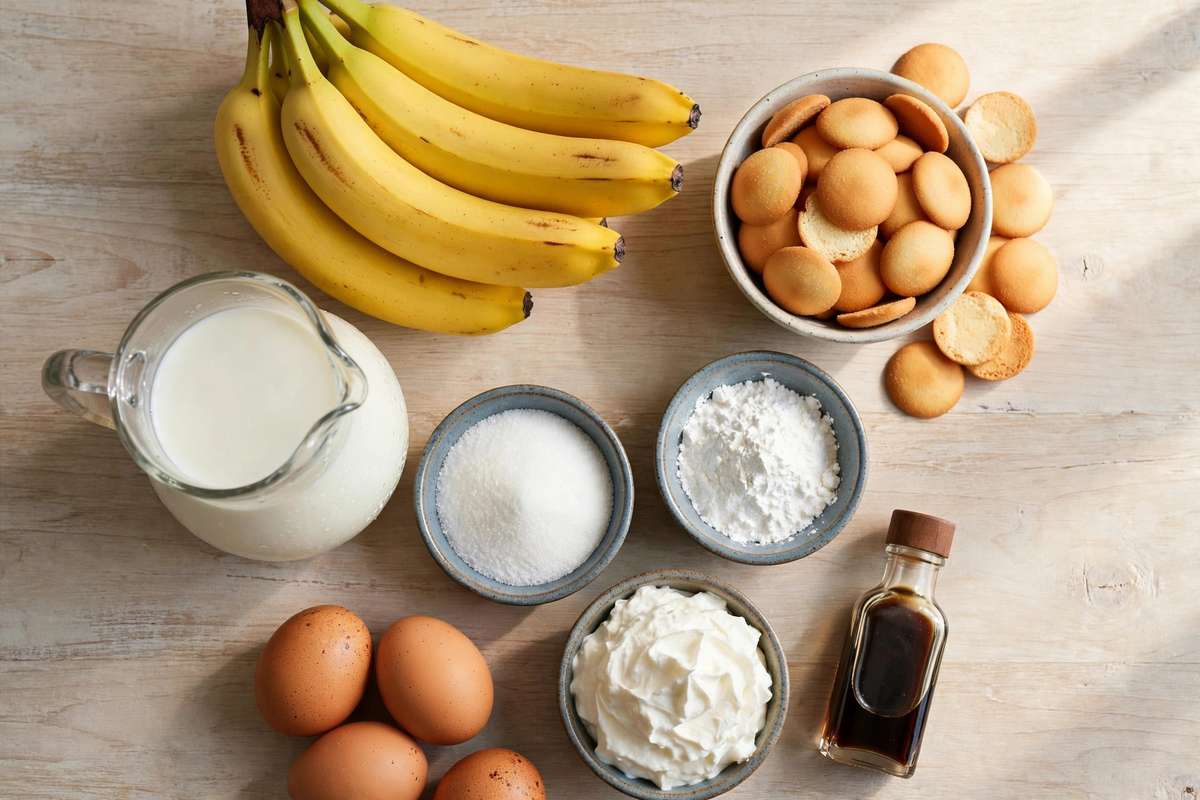
Ripe bananas are the heart of this banana pudding. Look for bananas with plenty of yellow skin and a few brown speckles, which is the sign of full sweetness. They should still feel firm when you hold them. Bananas that are too green taste starchy, while overripe ones can turn mushy in the layers.
The creamy layer comes from vanilla pudding. This recipe uses instant vanilla pudding mix whisked with cold milk, which sets up smooth and thick with almost no effort. A little sweetened condensed milk stirred in gives the pudding extra richness and a silky texture that feels almost like homemade custard.
Finally, whipped cream brings the lightness. Folding thawed whipped topping or freshly whipped heavy cream into the pudding makes it airy and spoonable, the kind of texture that melts on your tongue. Tossing the banana slices with a spoonful of lemon juice is a small trick that keeps the fruit from browning.
How to Make Banana Pudding
Making banana pudding is all about the layers, and the method could not be simpler. First, beat the instant pudding mix into cold milk until it turns thick, then blend in the sweetened condensed milk for a richer taste. Once that base is smooth, you fold in the whipped topping gently, keeping as much air in the mixture as you can. The result is a light, fluffy cream that will settle into every gap between the wafers and bananas.
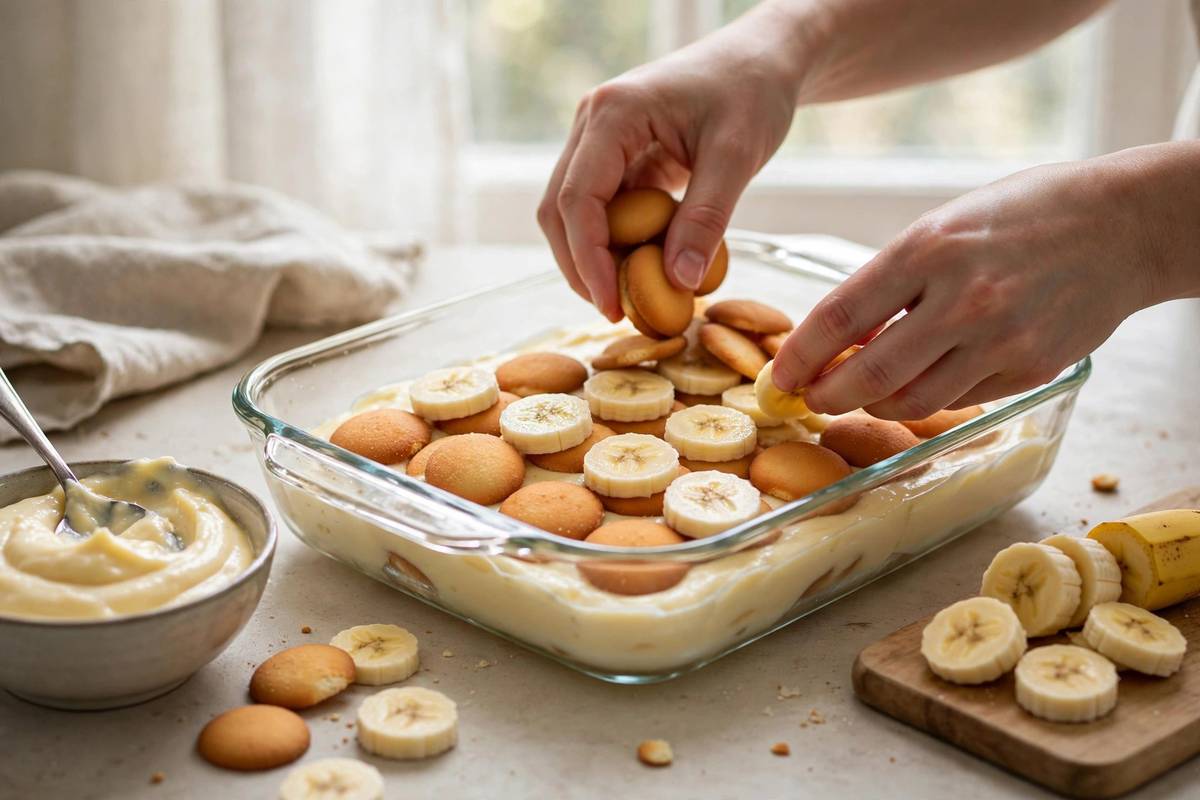
Assemble the dessert in a large glass bowl or a 9 by 13 inch dish so the pretty layers show. Spread a thin layer of pudding across the bottom first. This keeps the wafers from sticking and gives the dessert a creamy foundation. Next, lay a single layer of vanilla wafers over the pudding, then arrange a layer of banana slices on top of the cookies. Spoon another generous layer of the pudding mixture over the bananas, spreading it gently to the edges so everything is covered.
Repeat those layers until you run out, finishing with a smooth top layer of pudding. The order matters less than the coverage. Every wafer and banana slice should be tucked against pudding so it softens evenly and stays fresh. Cover the dish tightly with plastic wrap or a lid and slide it into the refrigerator. The chill time is not optional. It is what turns separate layers into one unified, spoonable dessert. Four hours is the minimum, but overnight is even better, giving the wafers time to become perfectly tender.
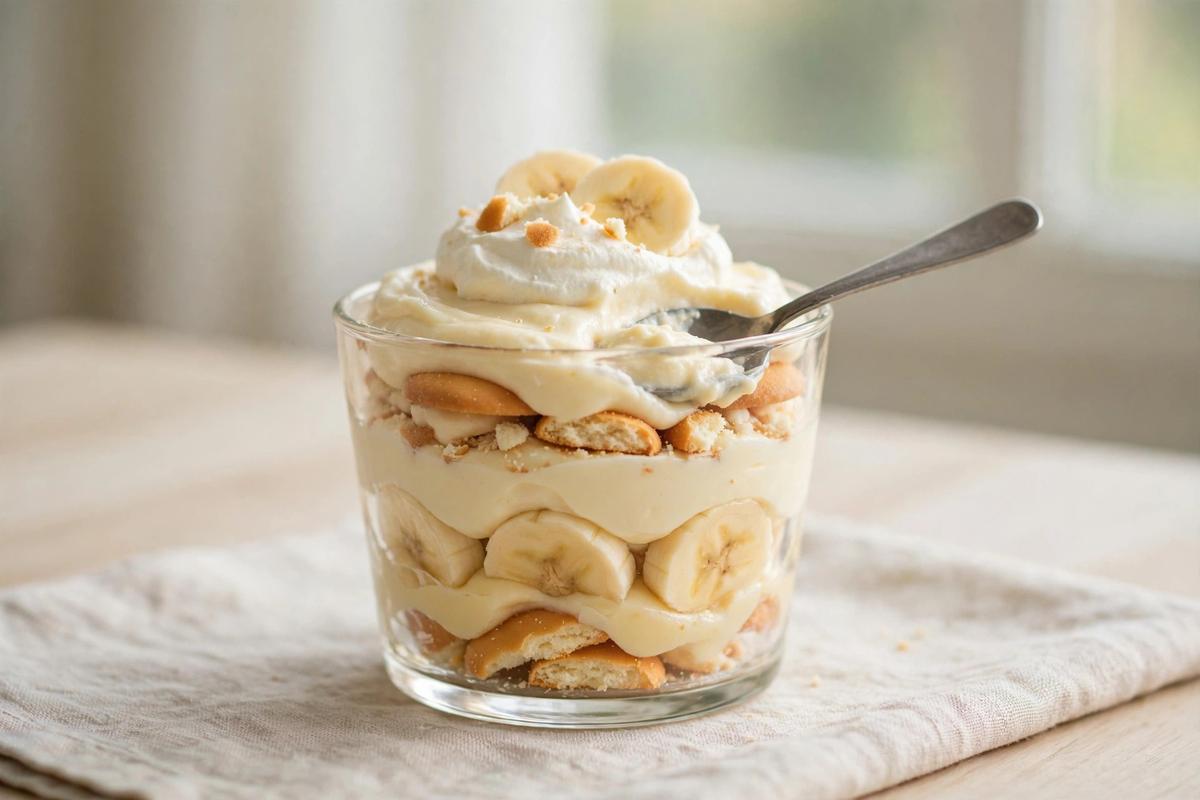
Before serving, add the finishing touches: a scattering of crushed wafers and a few fresh banana slices on top. Serve it cold, straight from the fridge, and watch how fast the bowl empties.
Read Also: If you love desserts that practically make themselves, browse our slow cooker recipes for more low-effort sweet ideas.
Tips for the Best Banana Pudding
Pick the right bananas. The best bananas for banana pudding are ripe but still firm, with yellow peels dotted with small brown spots. They are sweet enough to flavor the dessert without turning to mush. Underripe bananas taste flat and starchy, while overly soft ones can water down the layers.
Keep the bananas bright. Banana slices brown quickly once they meet the air. A light toss in a teaspoon or two of lemon juice slows that down without changing the flavor of the finished dessert. Make sure the slices are fully covered by pudding in the layers, too, since the cream protects them from air.
Do not rush the chill. Banana pudding needs at least four hours in the refrigerator, and overnight is the gold standard. During those hours the wafers drink up moisture and soften into cake-like layers while the flavors come together. Cutting into it too early gives you crunchy wafers and a loose texture.
Make it ahead with confidence. This is an ideal make-ahead dessert. Put it together the evening before your gathering, and it will taste its very best the following day. Just wait to add any decorative banana slices on top until serving time so they look fresh.
Control the wafer texture. If you love softer wafers, use the full overnight chill. If you prefer a bit of crunch, serve the banana pudding closer to the four-hour mark and add a layer of freshly crushed wafers on top right before serving for contrast.
Serve it chilled. This banana pudding tastes best served straight from the refrigerator. A chilled bowl and cold serving spoon keep it firm and refreshing, especially on a warm day.
Banana Pudding Nutrition
Banana pudding is a dessert, and it is best enjoyed as one. A typical serving brings together milk, sweetened condensed milk, pudding mix, vanilla wafers, and bananas, which means it contains dairy, gluten, and a fair amount of sugar. There is nothing wrong with that. Desserts are part of a balanced life when they are eaten in sensible portions and saved for the right moments.
The bananas do add something real to the bowl. They bring natural sweetness along with potassium and fiber, which is more than you can say for many desserts. The milk and any whipped cream contribute calcium and protein as well. These small bonuses do not turn banana pudding into health food, but they do make it a slightly more satisfying choice than a dessert built entirely from sugar and fat.
If you want a lighter version, a few simple swaps can help. Use low-fat milk for the pudding, choose a light whipped topping, and go a little heavier on the banana slices and a little lighter on the wafers and pudding in each serving. You can also serve it in small glasses or ramekins instead of heaping bowls, which makes portion control feel natural rather than forced. The full classic version is worth it on special occasions, and a lighter build works nicely for an everyday treat.
Read Also: If you enjoy creamy layered desserts, check out our yogurt bowl ideas for a lighter everyday treat.
Frequently Asked Questions
How long will the assembled dessert keep in the refrigerator?
Banana pudding keeps well in the refrigerator for three to four days when it is covered tightly. The bananas may darken a little and the wafers will keep softening, but it stays safe and tasty. After the fourth day the texture starts to break down, so plan to finish the banana pudding within that window. Always store it cold, and do not leave it sitting out at room temperature for more than two hours.
Can I make banana pudding ahead of time?
Yes, banana pudding is an excellent make-ahead dessert. In fact, it needs at least four hours of chilling, and it tastes even better after a full night in the refrigerator. Assemble it the day before your event, cover it well, and let the flavors blend overnight. Hold back any decorative banana slices or crushed wafers for the top until just before serving so everything looks fresh.
Why do banana slices darken inside banana pudding?
Bananas brown because of a natural reaction when their cut surfaces meet the air. This is harmless, but it is not very pretty. Tossing the slices in a little lemon juice before layering slows the browning without affecting the taste. Also make sure each banana slice is fully covered with pudding, since the cream shields the fruit from air and keeps it looking bright.
Is homemade pudding an option instead of the instant mix?
Absolutely. A cooked vanilla custard made on the stovetop gives banana pudding a richer, deeper flavor than the instant version. Just be sure to cool the custard completely before layering it with the wafers and bananas, because warm pudding will melt the whipped cream and turn the wafers gummy. Once it is fully chilled, fold in the whipped topping and assemble exactly the same way.
Can I freeze banana pudding?
Freezing is not recommended for banana pudding. Thawed bananas turn watery and mushy, the wafers become soggy, and the whipped cream can separate into a grainy texture. The dessert simply does not bounce back the way it should. Because it keeps for several days in the refrigerator and comes together quickly, it is better to make a fresh batch sized to what you will actually eat.
What are the best wafers for banana pudding?
For this banana pudding, the classic vanilla wafer still belongs at the very top of the list. Their light vanilla flavor and crisp texture are exactly what the dessert was built around, and they soften into perfect cakey layers as it chills. Shortbread cookies or graham crackers can work in a pinch, but they change the flavor. Whatever you choose, use crisp cookies, since soft ones will fall apart.
Conclusion
At the end of the day, banana pudding wins because it is simple, honest comfort. No fancy equipment, no complicated steps, just bananas, wafers, and cream coming together into something greater than the sum of its parts. It is the dessert that shows up at the best gatherings and somehow always feels like home.
So gather your ingredients, find your biggest glass bowl, and give this classic banana pudding a spot on your table. Chill it well, serve it cold, and enjoy every creamy spoonful. Once you see how quickly it disappears, you will understand why this Southern favorite has been loved for generations.
Read Also: Craving something savory after all that sweetness? Our beef stroganoff makes a hearty and satisfying main dish.
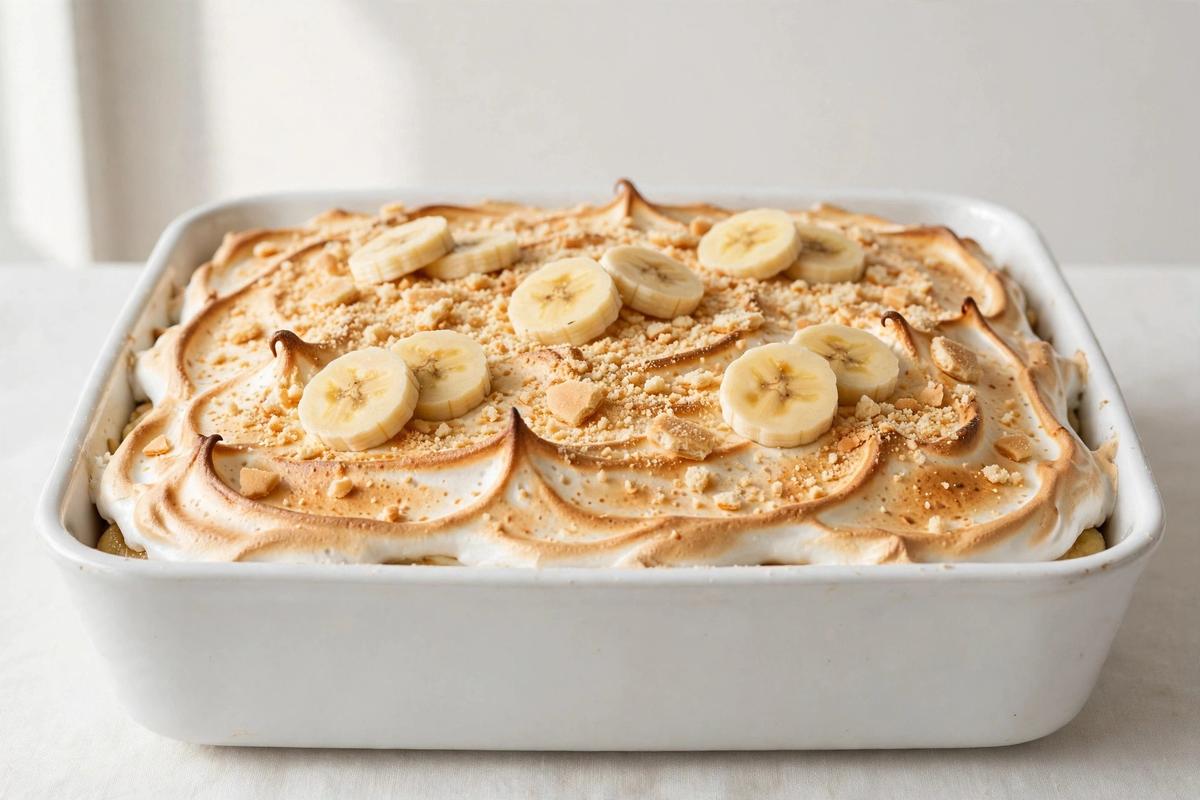
Classic Banana Pudding
Ingredients
Method
- In a large bowl, whisk the instant pudding mix with the cold milk for about 2 minutes, until thickened.
- Stir in the sweetened condensed milk until the mixture is smooth and silky.
- Gently fold in the thawed whipped topping until no streaks remain, keeping the mixture light and airy.
- Toss the banana slices with the lemon juice in a separate bowl to slow browning.
- Spread a thin layer of pudding over the bottom of a 9 by 13 inch dish or large glass bowl. Add a single layer of vanilla wafers, then a layer of banana slices, then a generous layer of pudding, spreading it to the edges.
- Repeat the wafer, banana, and pudding layers until everything is used, ending with a smooth layer of pudding on top.
- Cover tightly and refrigerate for at least 4 hours, or overnight for the softest wafers.
- Just before serving, top with crushed vanilla wafers and fresh banana slices. Serve cold.